The history of SAFA: why I began developing a standardized facial assessment system
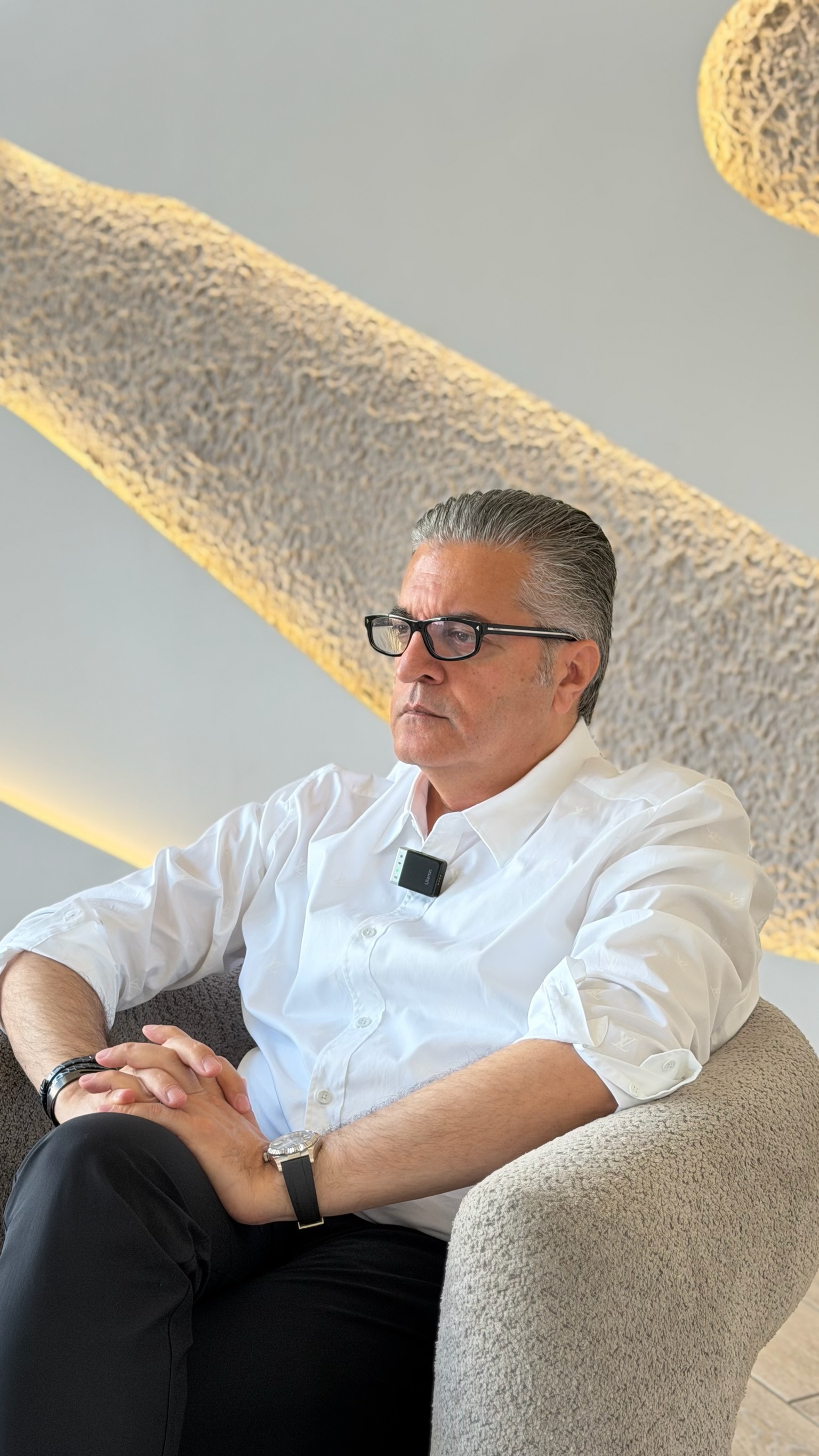
When I began practising aesthetic medicine in London, I already had many years of experience as a doctor across different medical specialties. I was accustomed to examining patients systematically, describing clinical findings and building a treatment plan from the assessment.
In aesthetic medicine, however, I encountered an unexpected difficulty. I found it challenging to establish the same consistent structure: how to examine the whole face, describe the changes accurately and connect each finding with a reasoned plan of action.
I could see the changes. What I needed was a framework to assess, document and compare them consistently at reassessment.
A difficulty I was not facing alone
To my considerable surprise, conversations with colleagues showed me that I was not alone. Doctors in aesthetic medicine, including plastic surgeons, also encountered difficulties with systematic assessment and consistent documentation of findings.
This led me to consider the need for a shared clinical language: clear, structured and suitable for documentation. In my experience, that need remains today.
Why individual scales were not enough for me
Individual scales help assess specific aesthetic changes. In my practice, however, I had not found a sufficiently comprehensive system linking the entire patient pathway, from the initial examination to reassessment after treatment.
I wanted to examine the face systematically: skin quality, volume, tissue position and displacement, the degree of ptosis, asymmetry and contours. I then needed to describe and classify those findings so that I could return to the record and understand exactly what had changed.
Assessment needed to become the foundation for planning and follow-up.
From a clinical need to SAFA
This became the task I set myself: to develop SAFA — Standardized Aesthetic Facial Assessment — a system bringing together examination, classification of findings, coding, planning and reassessment.
The sequence underlying SAFA is: assess → classify → plan → treat → reassess.
Documentation connects these stages. It preserves baseline findings, explains the choice of treatment and allows the outcome to be compared with the original clinical goal.
The questions that matter to me are: what has changed? Where are the changes? How pronounced are they? In which direction have tissues moved? Which findings need attention first?
The answers lead to the next question: what is appropriate to offer this patient, including the option of no treatment.
What I want to change through SAFA
My aim is to make patient assessment more consistent, understandable and suitable for comparison over time. I want doctors to explain their plans through documented findings and, at reassessment, evaluate how well the original goal has been addressed.
SAFA also has an important place in my approach to training doctors. Planning correction begins with understanding the changes present in the individual patient.
I continue to develop SAFA as a standardized facial assessment system. The next stage is scientific evaluation of its reliability, reproducibility and clinical usefulness.
The history of SAFA began with a difficulty in my own practice. That difficulty prompted me to seek a clearer, more consistent approach.
First understand what we see. Then explain what we propose. Afterwards, assess what has changed.
