Why I Believe My Training Is a Revolution in Aesthetic Medicine
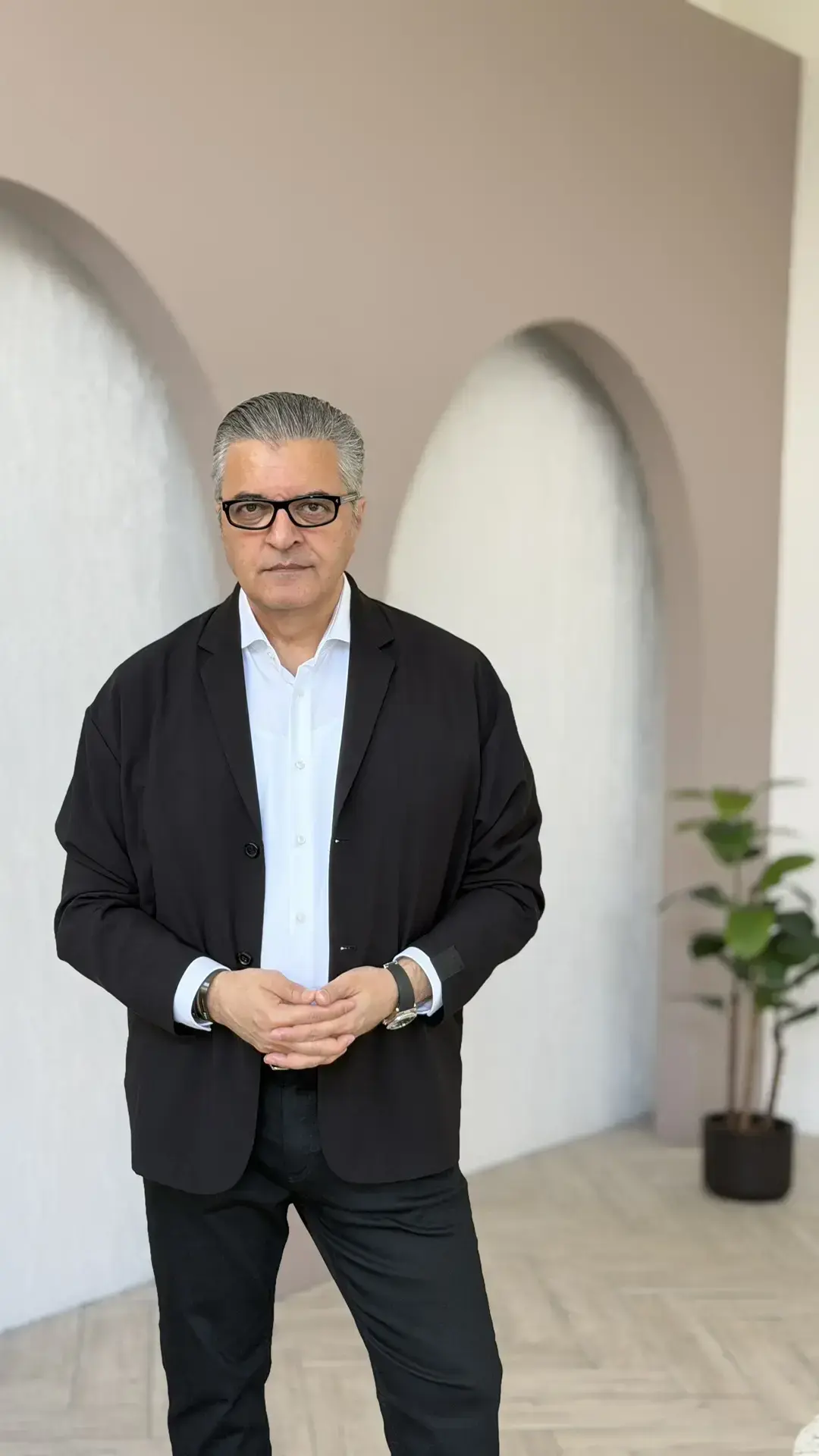
Over the past five years, I have developed my own method of permanent non-surgical lifting. My clinical experience now includes more than 500 procedures, and this is the experience I share with doctors.
I consider my training unique because it brings together my technique, my assessment and planning systems, anatomical study, and structured practical preparation.
Six Areas of Practice
The programme covers permanent non-surgical lifting of the face, neck, brows and upper lip, together with permanent non-surgical alarplasty and gluteoplasty.
My method uses a non-absorbable implant and my custom-designed needle to mechanically reposition and support tissues without removing skin.
Each area is taught in a separate five-day module, progressing from patient assessment and anatomical planning to practical technique training.
My Own Systems: SAFA and UPS
I invented SAFA — Standardized Aesthetic Facial Assessment — as a system for structured aesthetic assessment of the face. I am developing it as a foundation for reference standards in aesthetic medicine, covering skin, volume, tissue position, asymmetry and proportions.
I also created UPS — Universal Positioning System — for positioning and planning lifting procedures.
In my programme, doctors learn to use both systems. SAFA helps identify the patient’s baseline condition and correction priorities, while UPS supports the planning of anatomical reference points and lifting directions.
Five Days of Structured Preparation
Day 1: The foundations of the method, the implant, my custom-designed needle, patient assessment, SAFA, UPS and planning.
Day 2: Topographic anatomy and cadaver dissection with anatomy instructors.
Day 3: My demonstration of the technique on cadaver material with ultrasound guidance and verification.
Day 4: Supervised hands-on practice by participants on cadaver material, with ultrasound verification.
Day 5: Clinical demonstrations on live models. Participants observe the procedures and discuss the clinical decisions.
Groups are limited to four doctors, allowing individual attention throughout the module.
Learn Directly from the Creator
I share the reasoning behind the development of my method, my procedural experience and my approach to complex cases. We discuss patient selection, indications, limitations, risks and errors.
After the course, participants can continue discussing the application of the method in a closed professional group.
What This Can Offer a Doctor
I see three main opportunities for professional development:
Broader treatment capabilities: Six areas of training introduce additional possibilities for appropriately selected patients.
Additional revenue from an existing patient base: Doctors may offer suitable patients new correction options.
A distinctive practice offering: My method and a structured assessment approach can help doctors develop a particular professional focus.
Realising these opportunities requires preparation, sound patient selection and effective practice organisation.
It is the combination of my technique, SAFA, UPS and practical training that gives the programme its revolutionary potential: expanding doctors’ skills and making aesthetic treatment planning more systematic.
Training is intended for doctors and is delivered in Russian or English. Apply for professional selection to discuss your chosen module.
Explore SAFA · Face Lift training · Neck · Brows · Upper lip · Alarplasty · Gluteoplasty · How I train doctors from around the world
