How I Teach Doctors from Around the World My Permanent Lifting Method
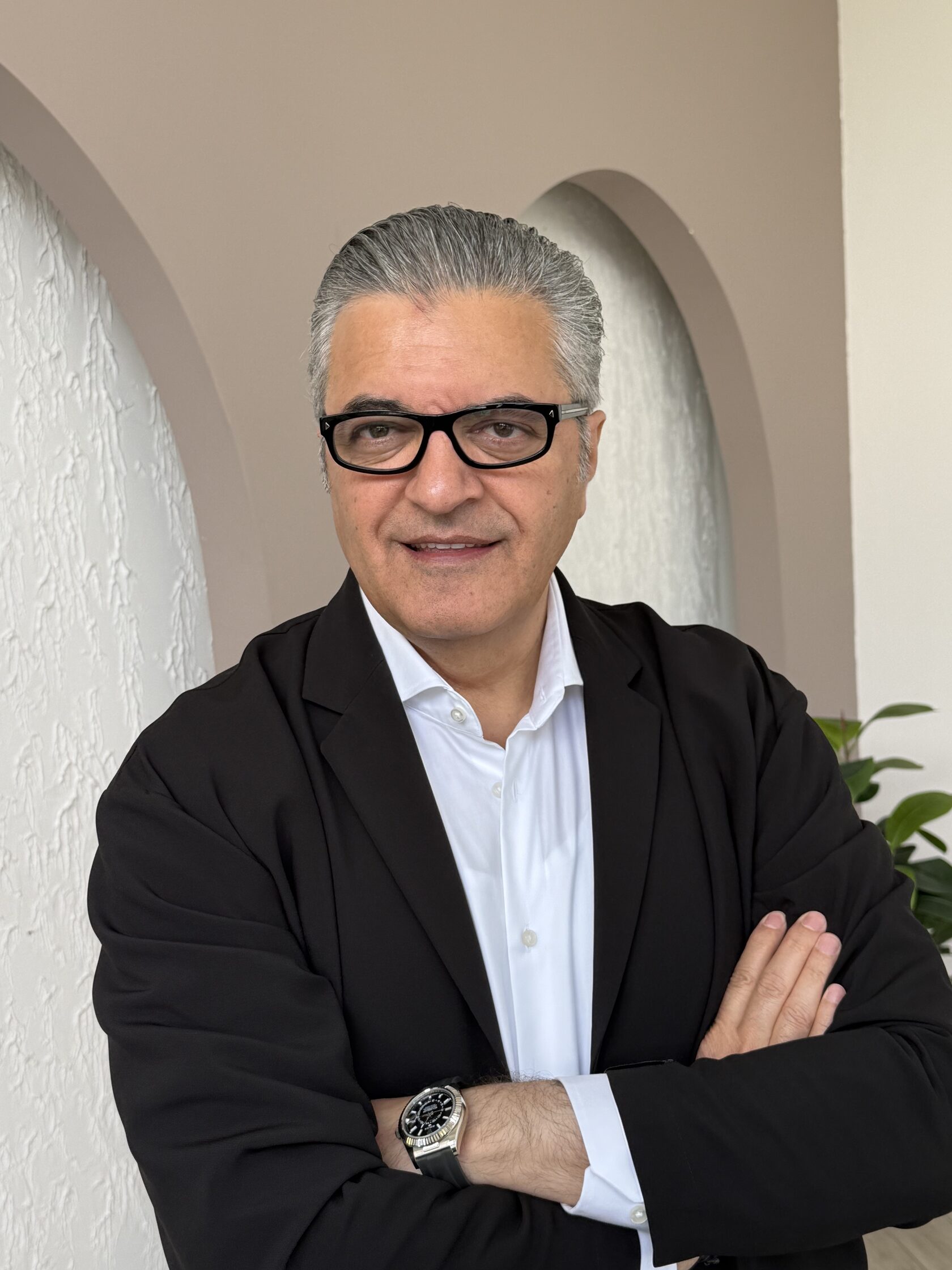
When I teach doctors from different countries, my aim is to share the clinical reasoning behind my permanent non-surgical lifting method. A doctor needs to understand the examination findings, the problem being addressed and why the proposed plan suits that particular patient.
I have built the programme around five years of developing the system and my experience of more than 500 procedures. Participants learn directly from me, the creator of the method, and can discuss the decisions behind each stage of the work.
In-person training takes place in Moscow and is conducted only in Russian or English. The Arabic version of this article introduces the programme; training is not provided in Arabic.
Patient assessment comes first
I start with patient assessment. The same concern, such as a change in the jawline, does not necessarily represent the same clinical problem. I want doctors to describe skin condition, volume, tissue position, ptosis and asymmetry systematically before identifying treatment priorities.
For this purpose, I created SAFA — Standardized Aesthetic Facial Assessment. In my teaching, I use it as a framework for a structured examination, classification of findings and documentation of the baseline condition.
We connect each finding with a question: what needs to change, and can the proposed approach address it? My aim is to teach doctors to justify indications, recognise the method’s limitations and explain a realistic plan to the patient.
Understanding anatomy in three dimensions
The next stage connects clinical observations with topographic anatomy. Doctors examine tissue layers, landmarks and the relationships between structures that need to be considered when planning an intervention.
Anatomical research has demonstrated regional differences in the facial superficial musculoaponeurotic system, or SMAS.[1] This is why I place particular emphasis on understanding the individual region rather than applying one template across the entire face.
Cadaver work allows these relationships to be examined directly. Ultrasound imaging is used during demonstration and verification of practical steps to connect the plan with the tissue plane and instrument trajectory. I regard it as an additional tool for teaching and verification.
From a finding to an individual plan
After assessment and anatomical discussion, we move to planning. Here, I explain UPS — Universal Positioning System, the positioning system I developed for my method.
Participants study the relationships between landmarks, lines, the direction of tissue repositioning, the instrument trajectory and fixation principles. I want doctors to be able to explain why they select a particular vector and what changes they expect it to produce.
SAFA helps organise baseline findings, while UPS structures planning within the method. The clinical decision remains the doctor’s responsibility. These systems do not replace professional preparation or individual patient assessment.
The five-day programme
Each of the six areas — face, neck, eyebrows, upper lip, alarplasty and gluteoplasty — has its own five-day programme. All six are not combined into a single five-day course.
Day 1 — the history of the method, the implant and my needle design; SAFA, UPS, vectors, local anaesthesia and planning.
Day 2 — topographic anatomy and cadaver work, including layers, landmarks and structures relevant to planning.
Day 3 — my demonstration of the method on cadaver material, with ultrasound imaging of the tissue plane and trajectory.
Day 4 — participants perform technical steps on cadaver material under my supervision, with ultrasound verification.
Day 5 — observation of clinical procedures on live models, with discussion of assessment, planning and patient management.
Practice with a discussion of each decision
Groups are limited to four doctors. This format gives me time to address participants’ questions, observe the technical steps they perform and discuss how their actions relate to the plan.
I want each participant to understand the sequence: assess the patient, describe the findings, define the problem, formulate a plan and relate it to the anatomy. Thread procedures can be associated with complications, as documented in published clinical case series.[2] Learning the technique therefore requires attention to limitations, risks and patient management.
The five days provide a structured introduction to my system and practical experience within the format described in the programme. Subsequent clinical use requires appropriate professional qualifications and compliance with the requirements of the doctor’s own practice.
International teaching and a shared language of clinical reasoning
Doctors arrive with different professional backgrounds. I aim to make our discussions precise: a shared understanding of the finding, the anatomical problem and the reasoning behind the plan. This requires a language in which the participant can confidently follow explanations and ask clinical questions.
Training is conducted only in Russian or English. This applies to theory, demonstrations and the practical component.
If you are considering training in my method, submit a professional application outlining your specialty, experience, area of interest and preferred teaching language. After reviewing your application, we discuss the programme, your preparation and participation arrangements in person or by video call.
My principle is simple: understand the patient and justify the decision before proceeding to the technical step.
Medical references
[1] Anatomy of the SMAS revisited (2003)
[2] Facial Thread Lifting Complications in China: Analysis and Treatment (2021)
Permanent face lift training programme and professional application
