Permanent non-surgical neck lifting using Dr Hotaki’s method
When weight loss changes the neck contour
This article focuses on a patient who lost substantial weight while using Ozempic and did not wish to undergo surgery. I considered her face and neck together, with particular attention to the chin region and the transition from the jawline to the neck. Planning needs to reflect the tissue condition and the patient’s concerns.
Why the neck needs its own plan
I plan neck lifting as a separate application of my author-developed method. Skin condition beneath the chin, its distribution and neck contour are central considerations. I use a flexible, non-absorbable implant and my custom needle to establish mechanical support without surgical skin removal. I determine placement through examination rather than automatically transferring a facial plan to the neck.
After substantial weight loss: face and neck
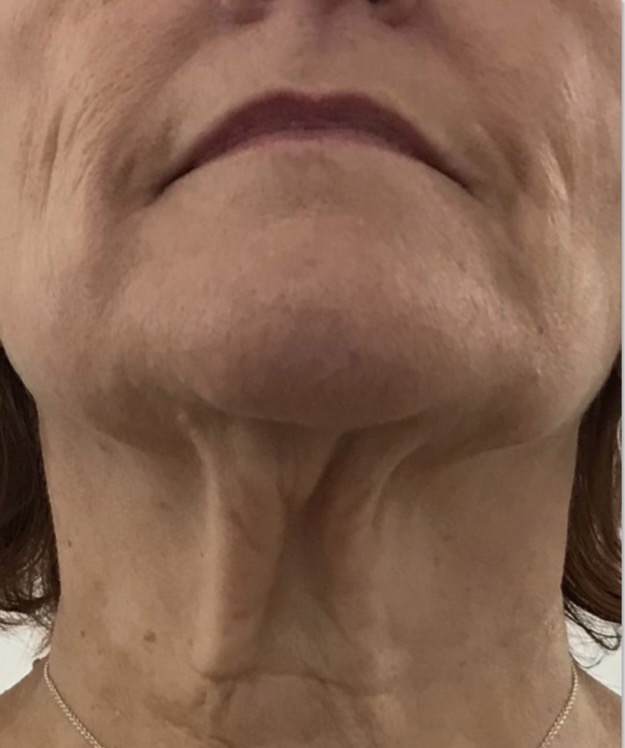
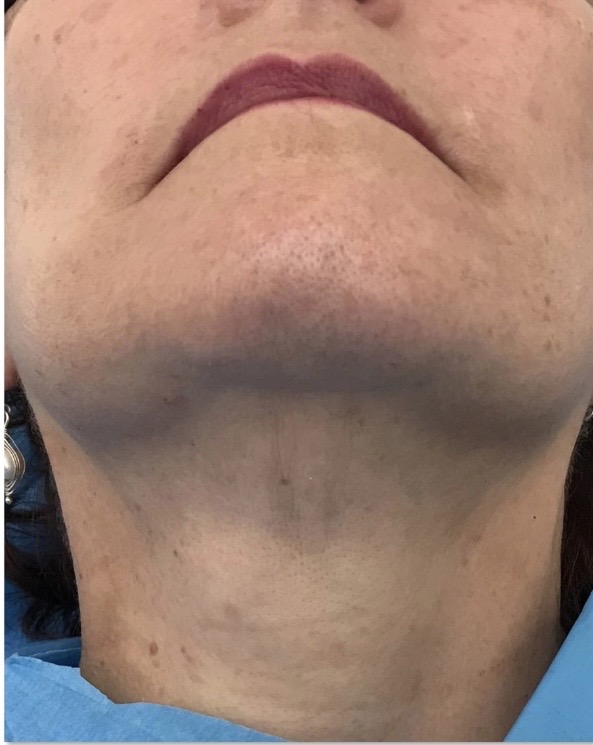
This patient lost a substantial amount of weight while using Ozempic and did not wish to undergo surgery. I performed face and neck lifting using my author-developed method. The photographs show her before treatment and six months afterwards, focusing on the chin and neck. She consented to publication.
Long-lasting support for neck tissues
In neck treatment, my objective is to change the existing tissue position and establish support intended to remain in place. The non-absorbable implant is designed for lasting mechanical support and to oppose further downward displacement.
Combined face and neck lifting
In this case, I performed both face and neck lifting. This allows me to consider the lower face and neck as a connected region rather than planning for an isolated area. The photographs focus on the chin and neck and illustrate the follow-up result six months after my procedure.
